White Snowball Hydrangeas: The Ultimate Guide To Planting Growing And Caring For These Beautiful Blooms
White Snowball Hydrangeas: The Ultimate Guide to Planting, Growing, and Caring for These Beautiful Blooms
Introduction
White snowball hydrangeas are a popular choice for gardeners because of their large, showy blooms. These shrubs are relatively easy to care for and can thrive in a variety of conditions. If you're thinking about adding white snowball hydrangeas to your garden, this guide will provide you with everything you need to know about planting, growing, and caring for these beautiful blooms.
Main Content
- Choosing the right location
The first step to planting white snowball hydrangeas is to choose the right location. These shrubs prefer full sun to partial shade, but they can tolerate some full shade. They also prefer moist, well-drained soil. If your soil is sandy or clayey, you may need to add some compost or peat moss to improve drainage.
- Planting
White snowball hydrangeas should be planted in the spring or fall. When planting, dig a hole that is twice as wide as the root ball of the shrub. Backfill the hole with the same soil that you removed, tamping it down gently as you go. Water the shrub well after planting.
- Fertilizing
White snowball hydrangeas benefit from a light application of fertilizer in the spring and fall. A balanced fertilizer, such as 10-10-10, is a good choice. Apply the fertilizer according to the directions on the label.
- Watering
White snowball hydrangeas need regular watering, especially during the first year after planting. Once established, they are more drought tolerant. Water the shrubs deeply once a week, or more often during hot, dry weather.
- Pruning
White snowball hydrangeas do not need to be pruned heavily. A light pruning in the spring will help to keep the shrubs looking their best. Simply remove any dead, damaged, or diseased branches. You can also trim the shrubs to shape them if desired.
- Overwintering
White snowball hydrangeas are hardy in USDA zones 3-9. In colder climates, they may need some protection from winter winds and cold. You can do this by covering the shrubs with burlap or evergreen boughs.
Conclusion
With proper care, white snowball hydrangeas will thrive in your garden for many years. These shrubs are a beautiful addition to any landscape and will provide you with years of enjoyment.
If you're looking for a beautiful and easy-to-care-for flowering shrub, the white snowball hydrangea is a great option. These shrubs are known for their large, white flower heads that can grow up to 10 inches in diameter. They're also relatively low-maintenance, requiring only partial sun and well-drained soil.
If you're interested in learning more about white snowball hydrangeas, I recommend visiting . This website has a wealth of information about this plant, including its history, care requirements, and how to plant it. You can also find photos of white snowball hydrangeas in bloom, as well as tips on how to choose the right plant for your garden.
FAQ of white snowball hydrangea
- What are the care instructions for white snowball hydrangea?
White snowball hydrangea is a relatively low-maintenance plant, but it does require some basic care to thrive. Here are some tips:
- Plant it in well-drained soil in a sunny location.
- Water it regularly, especially during the hot summer months.
- Fertilize it once a year in the spring with a balanced fertilizer.
- Prune it in the early spring to remove dead or damaged branches.
- Protect it from pests and diseases.
- Where is the best place to plant snowball hydrangea?
Snowball hydrangea prefers a location that receives morning sun and afternoon shade. It can tolerate full shade, but it will not bloom as well. The soil should be well-drained and rich in organic matter.
- How tall does snowball hydrangea get?
Snowball hydrangea typically grows to be 3-5 feet tall and 4-6 feet wide. However, some varieties can grow up to 8 feet tall.
- Why aren't my snowball hydrangeas blooming?
There are a few reasons why your snowball hydrangeas might not be blooming. One possibility is that they are not getting enough sunlight. Another possibility is that they are not being watered enough. Finally, it is also possible that they are not being fertilized properly.
- How can I change the color of my snowball hydrangeas?
The color of snowball hydrangeas is affected by the acidity of the soil. In acidic soil, the flowers will be blue. In alkaline soil, the flowers will be pink. You can change the color of your snowball hydrangeas by adding sulfur to the soil to make it more acidic, or by adding lime to the soil to make it more alkaline.
Image of white snowball hydrangea
- A large white snowball hydrangea bush in full bloom, with its flowers cascading over the edges of the pot.
- A close-up of a single white snowball hydrangea flower, showing its delicate petals and intricate center.

- A row of white snowball hydrangea bushes in a garden, their flowers providing a stark contrast to the lush green foliage.
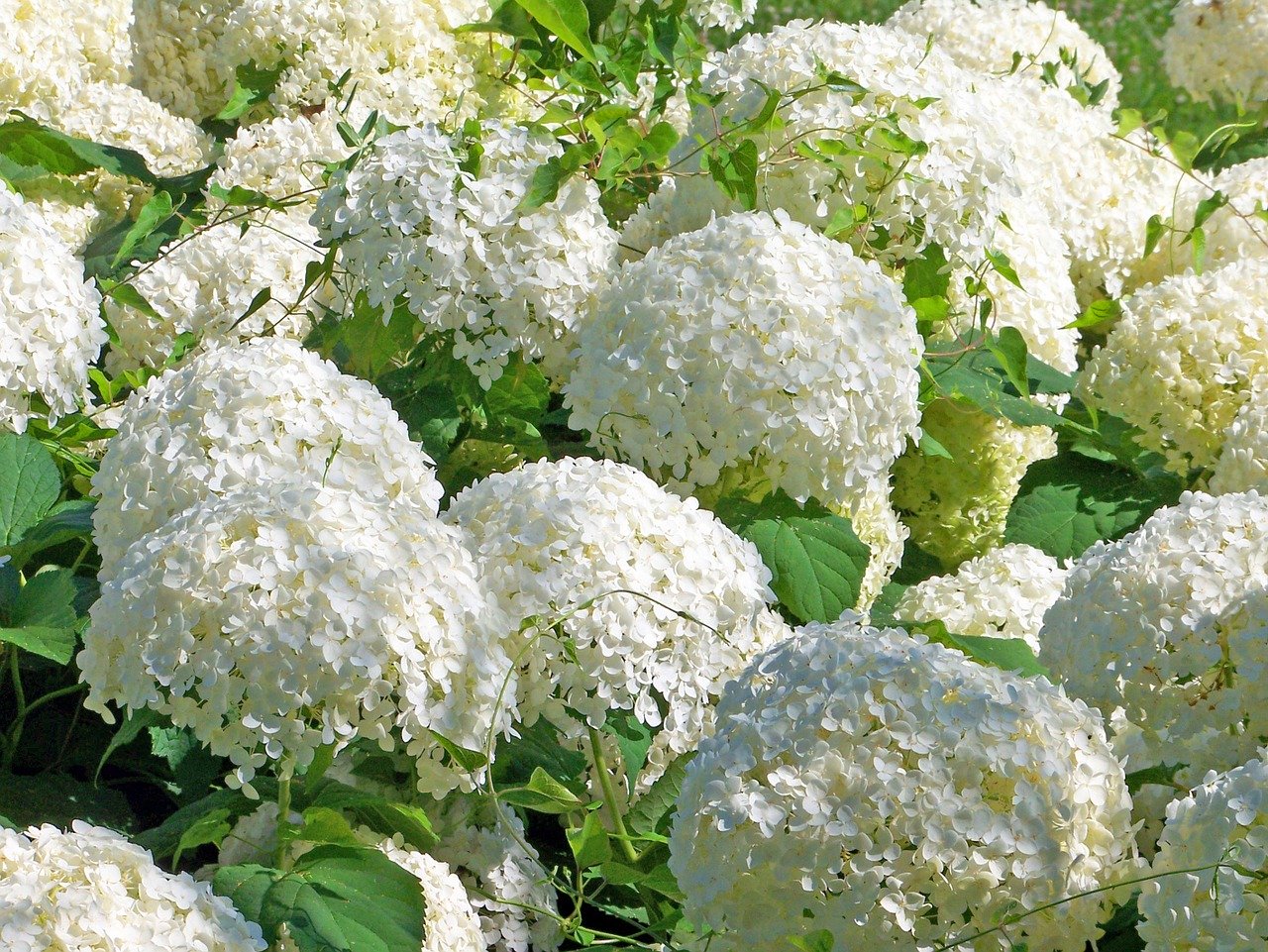
- A white snowball hydrangea bush in a vase, its flowers arranged in a loose, cascading display.

- A white snowball hydrangea flower in the foreground, with a blurred background of trees and sky.

Post a Comment for "White Snowball Hydrangeas: The Ultimate Guide To Planting Growing And Caring For These Beautiful Blooms"